Crimea Medal 1854-56 & Turkish Crimea Medal Pair. DIED COLDSTREAM GUARDS
Code: 11626
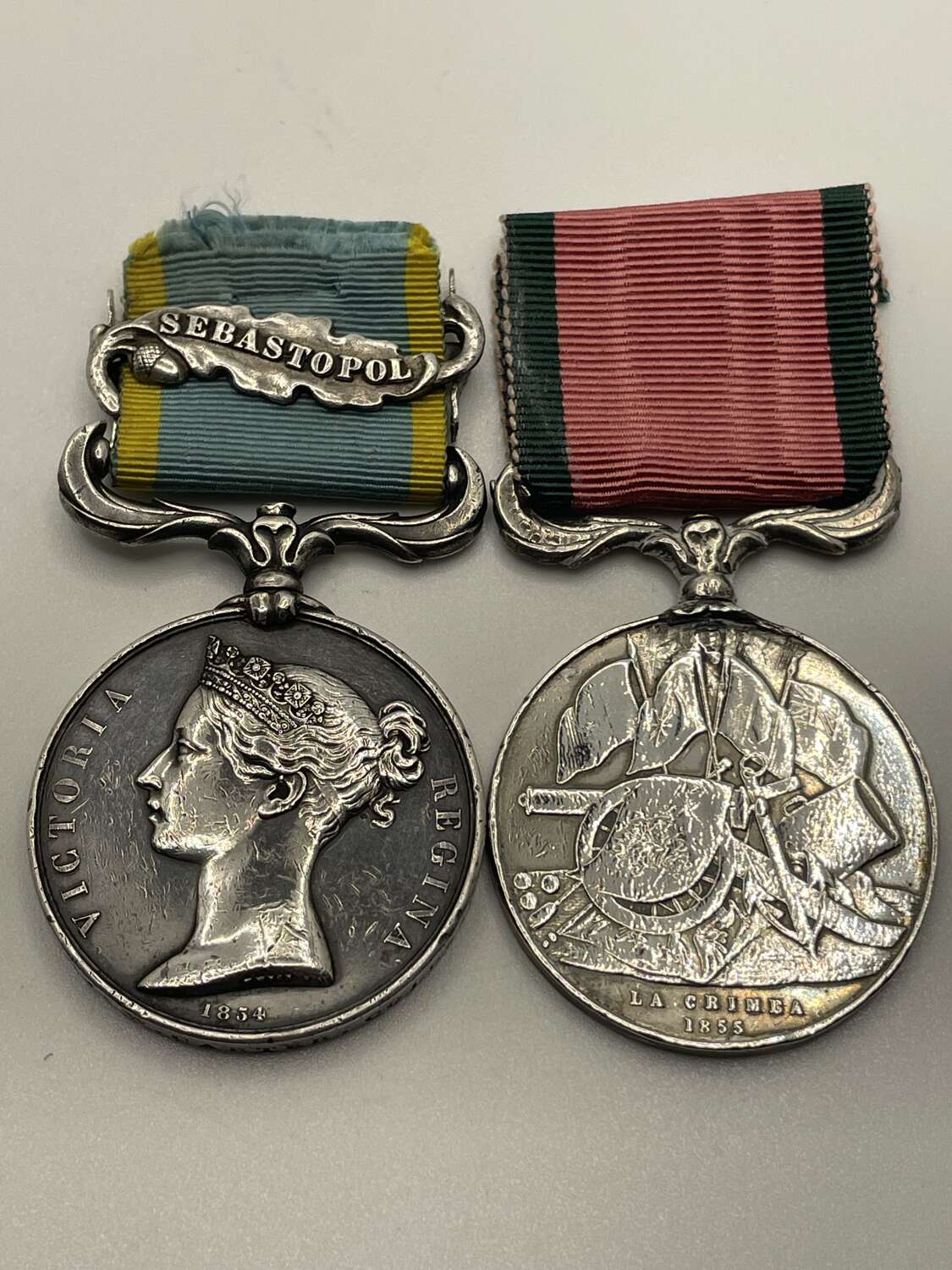
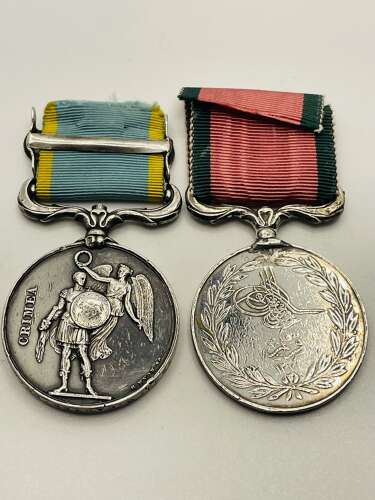
Crimea Medal 1854-1856: Clasp Sebastopol & Turkish Crimea Medal ( La Crimea Sardinia Issue 1855.) Sergeant. W. Carter. 1st Bn Coldstream Guards.
Queen’s Crimea Officially Impressed in Good Condition, clasp, loose on ribbon. Turkish Crimea unamed as issued.
Medal Rolls confirm entitlement. (There are two SGT W. Carter on the Roll, one received a four Clasp medal)
Sergeant William Carter served in Sebastopol in the Crimea War. Died of Dysentry at SCUTARI HOSPITAL on 2nd May 1855.
Sebastopol 11th September 1854 to September 1855.
Sebastopol was the site of a prolonged and devastating seige, the city was a Russian Naval Base. The seige lasted eleven months and involved intense bombardment and fighting resulting in heavy casualties. Winter brought on severe suffering and heavy casualties among Allied Troops.
The city finally fell after the French attacked Fort Malakoff. The fall of Sebastopol led to Russia's decision to sue for peace in March 1856 ending the Crimean War.
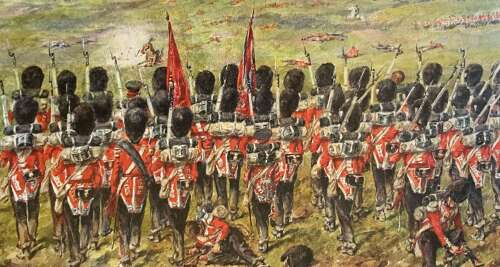
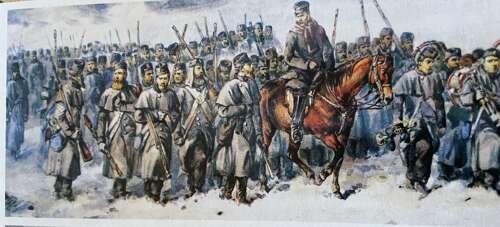
During the seige of Sebastopol the 1st Bn Coldstream Guards had many men die from diseases like Typhus, Typhoid, Cholera, and Dysentery. The weather conditions were horrendous well under freezing temperatures to a point were wet tunics froze and snapped in the extreme cold.
COLDSTREAM GUARDS CASUALTIES
The Coldstream Guards lost a large amount of men in the Crimea War 1854-56. A total of 468 Officers & Other Ranks were Killed in Action/ Died the vast majority were due to the harsh winter conditions and diseases such as Cholera and Dysentery. Killed in Action: 150-170 and died of wounds, but the figures are higher due to the high death rate at Scutari Hospital.
The worst Battle Casualties were at the Battle of Inkerman. The Guards took heavy casualties, the Coldstream had 8 Officers Killed In Action, with 84 Men killed and 123 Wounded, 203 in total during the intense fighting. Compared to ALMA with only 2 Killed and 23 Wounded, due to lighter opposition compared to other units involved. Many of the returning Men returning home subsequently were ill and died within a few years.
Four VICTORIA CROSS medals were WON in Action for Bravery during the Campaign.
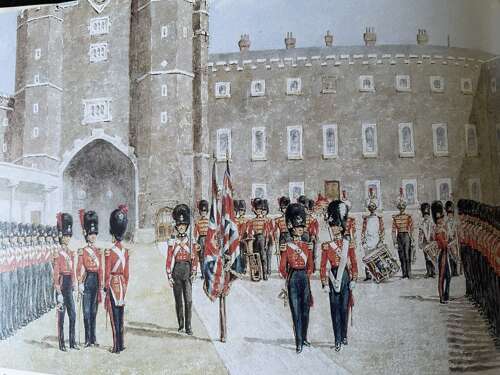
QUEEN VICTORIA inspected the 1st Bn Coldstream Guards on their return on the 8th July 1856 at ALDERSHOT. It was recorded that she was “ Quiet, broke down and burst into tears “ at the state of men who had returned.
The Army as a whole was disgracefully rusty and mismanaged after 40 years of peace prior to the Crimea. Organisation and equipment was hopelessly inadequate. The Commanders were old and out-of-date, and collaboration with French Allies proved decidedly difficult after 700 years of fighting against them. As always it was SOLDIERS on the ground who suffered the consequences of poor leadership and lack of equipment.
Scutari Barracks Hospital,
Scutari Hospital in Constantinople was a battlefield of disease and neglect during the Crimea War with a death rate of 48% in 1855. It took the arrival of Florence Nightingale and her team of nurses many months to improve the dire conditions marked by overcrowding, poor hygiene, starvation, and lack of supplies.
The Hospital was built on an open sewer that flooded and contaminated drinking water leading to outbreaks of cholera, dysentery, and typhoid fever.
Sgt. W. Carter being one of the Dysentry deaths recorded at Scutari Hospital.
More soldiers died of preventable diseases than their actual Battle Wounds.
